Access Equipment for Installing Event Lighting: A Complete Guide for Event Production
Ever wondered why installing lighting rigs at events is far smoother for some event teams than others? Whether you’re planning a live concert, show, or outdoor festival, choosing the right access equipment can make all the difference to the final result.
From working safely at height to improving the efficiency of your lighting installation, the equipment you choose plays a key role in both performance and safety. Poor access planning can lead to delays, increased risk, and limitations in how your lighting and rigging systems are installed.
This WHC Hire article explores access equipment for installing lighting in detail, helping you understand the event equipment hire options available, how they are used in real event environments, and how to choose the right solution for your specific setup.
What Is Access Equipment For Lighting & Rigging
Access equipment refers to the machinery and tools used to safely reach elevated areas when installing, adjusting, or maintaining lighting and rigging systems. In event production, working at height is a critical part of the setup process, so using the correct equipment is essential for both safety and efficiency.
Any event company carrying out work at height should ensure they are using properly rated and well-maintained access equipment that complies with current safety standards. The wrong choice can increase risk, slow down installation, and limit how effectively lighting systems can be positioned.
During event production, a range of different access solutions are used, including:
- Rough terrain scissor lifts
- Mobile elevating work platforms (MEWPs)
- Cherry pickers
- Scaffolding towers
- Ladders
These access systems work alongside rigging and lifting equipment, such as truss structures, hoists, and clamps, to create safe and stable installations at height.
Why Access Equipment Is Essential For Event Production
Using the correct access equipment is crucial for both the safety and efficiency of event setup and breakdown. Selecting the wrong equipment can expose teams to unnecessary health and safety risks, while also causing delays and limiting how effectively lighting and rigging systems can be installed.
Choosing the right solution from the outset helps ensure a smoother, safer, and more controlled installation process.
Key Benefits of Using the Right Access Equipment
Safe Installation
Using the correct access equipment ensures that working at height can be carried out safely and with greater control, reducing risk to operators and crew.
Faster Setup and Breakdown
Appropriate access solutions can significantly speed up both installation and dismantling, helping events stay on schedule and reducing labour time.
Improved Positioning
The right machinery allows operators to work within safe and stable positions, avoiding overreaching or working outside safe operating limits.
Regulatory Compliance
Compliance with working at height regulations is essential in event production. Using the correct, certified equipment helps ensure safety standards are met and reduces the risk of incidents.
Reduced Risk of Equipment Damage
Using suitable access equipment minimises the likelihood of lighting fixtures, rigging components, and infrastructure being damaged during installation or breakdown.
For a broader breakdown of how to choose the right systems across different event types, see our guide on What Access Equipment Do You Need for Events?
Types Of Access Equipment Used in Lighting & Rigging
There are several types of access equipment used to support the installation of event lighting setups. The most common solutions include:
MEWPs (Mobile Elevating Work Platforms)
Short for mobile elevating work platforms, MEWPs offer a high level of flexibility when working at height. Different designs provide specific operational advantages depending on the environment and requirements of the event.
Common types include:

Ideal for vertical access in both indoor and outdoor environments. They provide a stable platform, making them well-suited for lighting installation and rigging tasks at fixed heights.
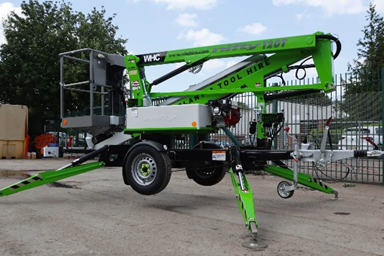
Designed for extended reach and angled access, making them particularly useful for outdoor events or complex rigging setups where access is restricted.
MEWPs are widely used in arena setups, large staging environments, and outdoor event production where safe and efficient access is essential.
Scaffolding Systems
Scaffolding systems are a common choice for longer-duration event setups or more complex builds. They provide a stable and secure working platform and can be adapted to suit a wide range of event layouts.
Their modular design allows for easy scaling, making them suitable for everything from temporary stages to large structural installations. This flexibility makes scaffolding a reliable option across many areas of event production.
Ladders
Ladders are one of the most basic forms of access equipment, but they still play an important role in smaller-scale productions. When used correctly, they provide a quick and efficient solution for minor adjustments and maintenance tasks without the need for larger machinery.
However, due to their limited working height and reduced stability compared to powered access equipment, ladders are generally not suitable for larger or more complex lighting and rigging installations.
MEWPS vs Scaffold vs Ladders: What’s Best For Events
Delivering a successful event often comes down to the equipment used behind the scenes. When working at height for lighting and rigging installations, the right access equipment is critical to both safety and efficiency.
The best solution will depend on your specific event requirements, including the scale of the production, the working environment, and the complexity of the setup. Selecting the correct equipment at this stage can improve installation speed, reduce risk, and ensure a more controlled working process.
Below is a comparison of the most common access equipment options used for lighting and rigging in event production:
MEWPS vs Scaffolding
| Factor | MEWPS | Scaffolding |
| Set up time | Fast | Slower |
| Flexibility | Highly Manoeuvrable | Limited After Set Up |
| Best For | Short Term Installs | Long Term Builds |
| Mobility | Excellent | Limited |
Ladder Vs MEWPs
| Factors | Ladders | MEWPS |
| Safety | Lower | Higher |
| Reach | Limited | Extendable |
| Best For | Low-Level Work | Professional Installations |
For more complex setups and breakdowns, opting for a MEWP provides a high level of flexibility and control, particularly for professional event teams. Their ability to offer stable, adjustable access makes them well-suited to larger or more technical lighting and rigging installations.
Working closely with an event equipment hire provider can help ensure you select the most efficient and appropriate machinery for your project, while also supporting your installation timeline and safety requirements.
Key Decision Factors When Choosing Access Equipment
When selecting the right access equipment for your project, you’ll often be faced with a wide range of options. For many, this can feel overwhelming and may lead to overspending or choosing equipment that is not fit for purpose.
Taking a structured approach to your decision-making will help ensure you select the most suitable equipment for your event setup.
Event Size and Scale
It is important to have a clear understanding of the size and scale of your event. Larger productions will often require multiple types of access equipment to ensure installation and breakdown can be completed efficiently and on schedule.
Indoor vs Outdoor Environment
The environment your event is held in will directly impact the type of equipment required. Some machinery is better suited to indoor use, while others are designed specifically for outdoor terrain. Matching equipment to the environment is essential for both safety and performance.
Height Requirements
Ensure the access equipment you choose can safely reach the required working height. Selecting equipment with insufficient reach can cause delays and limit how effectively systems are installed.
Access Restrictions
Consider any physical limitations at your venue. Outdoor locations may involve uneven ground or restricted access routes, while indoor venues may present space constraints or height limitations. Understanding these factors allows you to choose equipment that fits your working environment.
Transport and Logistics
Planning transport and delivery in advance is essential. Larger machinery often requires specialist transport, so arranging delivery through your equipment hire provider can help avoid delays and reduce operational pressure.
Safety and Compliance
Always ensure the equipment you use is suitable for the task and complies with relevant safety standards. This includes understanding load capacities, working limits, and whether additional safety equipment is required for working at height.
Making the wrong decision at this stage can slow down installation and increase the risk of accidents. Taking the time to assess these factors during the planning phase will help ensure a safer and more efficient event setup.
Working at Height: Safety Considerations
When using access equipment for lighting and rigging installations, no detail should be overlooked. Proper planning and clear procedures ensure that all staff involved, including operators and ground support teams, understand their roles and responsibilities when working at height.
A structured approach to safety not only protects personnel but also helps ensure a smooth and compliant installation process.
Key Safety Considerations
Compliance with Working at Height Regulations
Ensure all equipment is fit for purpose and that operators are trained and competent to use the machinery safely. Compliance with current regulations is essential for any work carried out at height.
Proper Use of PPE
Always use the appropriate personal protective equipment for both the access machinery and the specific tasks being carried out from the working platform.
Equipment Inspection and Certification
Before accepting any access equipment on hire, confirm that it holds up-to-date inspection certification, such as LOLER where applicable. Even with a valid certification, daily pre-use checks should be carried out to maintain safe operation.
Risk Assessments and Method Statements
Before carrying out any work at height, ensure that suitable risk assessments and method statements are completed and communicated to all relevant personnel.
For a more detailed breakdown of safety procedures, see our guide on Working at Height Safely at Outdoor Events.
Common Mistakes To Avoid
When hiring access equipment for lighting and rigging installations, the last thing you need is costly mistakes. Even experienced teams can overlook key details, which can lead to delays, safety risks, or inefficient setups.
Understanding these common issues can help you plan more effectively and ensure a safer, smoother installation process.
Using Equipment Not Rated for the Required Load
Always plan in advance what needs to be lifted and to what height. This ensures the correct equipment is selected and reduces the risk of overloading machinery.
Relying on Ladders for Complex Installations
While ladders can be useful in certain situations, they offer significantly less stability than purpose-built access equipment. For more complex lighting tasks, using the correct machinery is essential for both safety and efficiency.
Poor Planning of Access Routes
Planning access routes in advance is critical, particularly when using larger equipment. Restricted access or poor positioning can slow down installation and create unnecessary risks during setup and breakdown.
Ignoring Environmental Factors
Environmental conditions such as wind, uneven ground, and weather can all impact the safe use of access equipment. These factors should always be considered when selecting equipment and planning work at height.
Inadequate Safety Checks
Daily inspections of access equipment should always be carried out before use. Equipment should not be operated if it fails safety checks, regardless of project timelines.
Avoiding these common mistakes can significantly improve both the safety and efficiency of working with access equipment in an event environment.
When To Use Professional Event Equipment Hire Services
For many events, from local fêtes to large outdoor festivals, hiring access equipment is often the most practical and cost-effective solution. Most event organisers only require this type of machinery for short periods throughout the year, making ownership unnecessary and inefficient.
Working with a specialist access hire provider ensures that you have the right equipment available when you need it. This includes access to certified and well-maintained machinery, along with expert guidance to help you select the most suitable solution for your event.
Using a professional event equipment hire service also helps ensure compliance with working at height regulations, while reducing the risk of delays, equipment failure, and safety issues during installation and breakdown.
By planning and partnering with the right supplier, you can approach your event setup with greater confidence and control.
Conclusion
Choosing the right access equipment for installing event lighting and rigging comes down to understanding your event requirements, working environment, and key safety responsibilities.
From MEWPs such as boom liftsand scissor lifts to scaffolding systems and ladders, each option plays a specific role in creating a safe and efficient installation. Selecting the correct equipment not only improves performance but also helps ensure compliance and reduces risk when working at height.
By taking the time to plan properly and assess your requirements, you can deliver a smoother, safer, and more professional event setup.
If you’re planning an upcoming event and need reliable access solutions, take a look at our event equipment hire services at WHC Hire Services. Our team can help you find the right equipment for your project, ensuring you have the tools and support needed to deliver your event safely and efficiently.