Cherry Picker & Scissor Lift Hire: Safety & Rules

Hiring access equipment such as cherry pickers and scissor lifts can make working at height not only safer, but far more efficient. However, with the use of this equipment comes a set of responsibilities that every hirer needs to understand. While access equipment is relatively easy to acquire, failing to plan properly, carry out risk assessments, ensure adequate training, or complete essential safety checks can quickly lead to serious risks and compliance issues.
That’s why in this article, we’ll walk you through the key considerations you need to be aware of to ensure you — and your team — remain safe, compliant, and responsible when using access equipment hire.
What “Working at Height” Means For Access Equipment Hire
Working at height isn’t just about climbing ladders or working from scaffolding. It includes any situation where a fall could result in injury — including the use of mobile elevating work platforms (MEWPs).
Under the Work at Height Regulations 2005 (WAHR), hirers share responsibility for the safe use of this equipment. This means that even before the machine arrives on site, or is delivered to your premises, you must ensure risks have been properly assessed, operators are suitably trained and compliant, and the equipment supplied is tested and safe to use.
For any commercial party using access equipment hire, this planning stage should be treated as the foundation of a safe and compliant project. Getting it right from the outset significantly reduces risk and helps prevent issues further down the line.
Understanding Access Equipment
Before hiring access equipment, it’s essential to understand the key differences between the machines available. Choosing the right platform for the job plays a major role in keeping operators safe and reducing risk on site.
Cherry Pickers
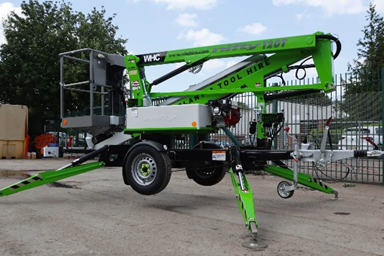
Cherry pickers, also known as boom lifts, are particularly well-suited to outdoor applications where ground conditions may be uneven. Their ability to provide both vertical and horizontal reach makes them a versatile option for tasks such as building maintenance, tree work, and external installations.
Scissor Lifts
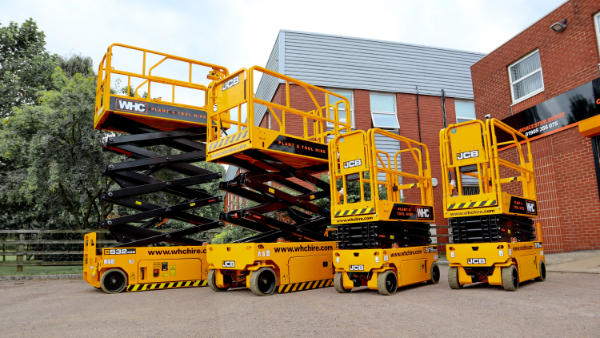
Scissor lifts, offer a stable vertical platform that’s ideal for indoor tasks or sites with smooth, level surfaces. These machines are commonly electrically powered, making them a clean and practical solution for use inside warehouses, factories, and commercial buildings.
If you’re still unsure which is best for your project? Our in-depth guide on Scissor Lifts Vs Cherry Pickers takes a closer look at both options.
Legal Safety Standards That Affect Hired Access Equipment
Skipping the safety side of things is a serious mistake when hiring any type of access equipment. To ensure your safety and full compliance, it’s essential to understand the key regulations governing the use of this machinery.
The Work at Height Regulations 2005 (WAHR) require all work at height to be properly planned and supervised, with suitable control measures in place to reduce risk for the duration of the task. This applies just as much to hired equipment as it does to owned machinery.
The Provision and Use of Work Equipment Regulations (PUWER) ensure that any equipment you hire is suitable for the intended task, properly maintained, and safe to operate.
Meanwhile, LOLER (Lifting Operations and Lifting Equipment Regulations 1998) requires lifting equipment — including MEWPs used to raise people — to undergo thorough examinations before being put into service. A current LOLER certificate should be readily available from your hire supplier.
Confirming that your access equipment has an up-to-date LOLER certificate and documented maintenance history is essential. These documents illustrate clear evidence that the machine has been properly inspected, maintained, and deemed safe to use.
Training & Competency Requirements For Operators
Even if the access equipment you’re hiring is in perfect working order, safety ultimately depends on competent operation. In the UK, the most widely recognised operator certification for cherry pickers and scissor lifts is IPAF (International Powered Access Federation) training.
As a hirer — or as a business managing access equipment on site — it remains your responsibility to verify that operators hold valid training before work begins. It’s also essential that all operational staff understand the hazards, emergency and the safety lowering procedures.
If you’re hiring a cherry picker, it’s worth reviewing our detailed guide on Cherry Picker Safety Tips.
Pre-Hire Safety Checks And Documentation
Before you receive your access equipment, your hire company should provide the relevant documentation and carry out a full handover. This handover process is particularly beneficial for all operators, as no two manufacturers or models operate the same way.
Understanding the machine’s controls, safety features, and emergency lowering procedures before work begins is vital. If an issue occurs during the hire period, knowing the correct protocol can prevent unnecessary risk and delays.
Even highly experienced operators should be present during the handover to ask questions and familiarise themselves with the specific machine. Downtime caused by uncertainty or incorrect operation can be costly, especially on time-sensitive projects.
Having the correct documentation alongside a proper equipment walkthrough works hand in hand. More importantly, it ensures your team can operate the equipment safely and efficiently from the outset.
Risk Assessment Before The Job Starts
Before even considering which type of access equipment to hire, a thorough risk assessment should be carried out. Understanding the specific risks involved in your project will help you select the correct machinery and put appropriate control measures in place to minimise potential issues during operation.
When assessing your site, key factors to consider include:
- Ground levels and stability – Uneven or soft ground can affect machine balance and safe deployment.
- Overhead obstacles – Power lines, telephone cables, roof structures, or steelwork can present serious hazards when operating at height.
- Weather conditions – Wind speeds, rain, or icy surfaces can significantly impact safe operation.
- Emergency planning – A clear rescue plan should be in place before any lifting activity begins.
Taking the time to properly assess the environment before work starts reduces the likelihood of accidents. If you are ever unsure about site conditions or machine suitability, consulting with a professional access equipment hire provider is always the safest approach.
Best Practises For Hired Access Equipment
Once the equipment is safely on site and the handover has been completed, safety must continue through proper operation. Ensuring stabilisers are correctly deployed and levelled, platforms are not overloaded, and operators remain fully aware of their surroundings all play a crucial role in maintaining safe use of access equipment.
One area that is often overlooked when hiring access equipment is the operator’s manual. Every cherry picker or scissor lift should be supplied with access to its specific operator manual. This document contains important machine-specific guidance, including operating limits, safety features, and emergency procedures.
While experienced operators may feel confident, the small details outlined in the manual can make a significant difference in safe and efficient operation. Taking the time to review it helps prevent avoidable mistakes and ensures the machinery is used exactly as intended by the manufacturer.
Weather & Environmental Conditions That Impact Access Hire Safety
All access hire equipment is sensitive to weather conditions, much like other types of construction and maintenance machinery. High winds, ice, heavy rain, thunder, and lightning can all have a significant impact on the safe use, stability, and overall control of the equipment.
As a hirer, you should plan work schedules around potentially hazardous weather conditions. As well as having contingency measures in place, should any unexpected changes occur. Wind speeds in particular can quickly make working at height unsafe, especially when operating boom lifts at full extension.
Postponing operations is always advisable if safety is compromised. Delaying a job may be inconvenient, but proceeding in unsafe conditions carries far greater risks.
Being proactive about environmental factors is part of every company’s duty of care and plays a key role in maintaining a safe and compliant working environment.
Essential PPE For Access Equipment Hire
When hiring access equipment, personal protective equipment (PPE) is not typically included as part of the rental agreement. It is therefore essential to ensure that all operators are properly equipped with the correct PPE before work begins. This may include harnesses and lanyards, high-visibility clothing, safety helmets, and any additional protection required for the specific site conditions.
As the hirer, responsibility for providing and enforcing the correct use of PPE sits with you. Equipment should not only be supplied but also inspected to ensure it is in good condition and suitable for the task at hand.
Some access equipment suppliers may offer harnesses and related safety equipment at an additional cost.
Common Mistakes To Avoid When Hiring Access Equipment
When arranging access equipment hire, there are several pitfalls that can compromise safety, efficiency, and compliance if they aren’t addressed early. Experienced hire companies often see the same issues repeated, but most are easily avoided with careful planning.
Misunderstanding Operational Needs
Not fully understanding the demands of a particular task can lead to inefficiencies and safety risks on site. It’s vital that hirers assess not only the required height, but also the horizontal reach and manoeuvrability of the equipment. Choosing a machine that doesn’t match your needs can increase risk and reduce productivity.
Over/Underestimating Reach & Capacity
Different access equipment offers different capabilities. Some machines provide greater horizontal reach, while others have higher vertical lifting capacities. Underestimating the capacity or reach needed can force operators into unsafe workarounds, such as leaning out of the platform or misplacing tools, creating avoidable hazards.
Allowing Untrained Workers to Operate the Machinery
Operator competence is crucial. All operators should have recognised training, but they also need to familiarise themselves with the specific access equipment they’re hiring before use. Even experienced operators can make mistakes if they haven’t reviewed the machine’s controls and safety systems. Taking the time to understand the equipment encourages safer operating practices and reduces risk.
Ignoring the Fine Print
Failing to read the access hire agreement carefully is a common oversight. Additional charges, off-hire procedures, cleaning or fuel penalties, and responsibilities for damage are all detailed in the fine print. Understanding the full terms of your hire agreement helps you avoid unexpected costs or liabilities. If anything is unclear, always ask your supplier to clarify before you sign.
Conclusion
Hiring a cherry picker or scissor lift comes with a number of responsibilities, but with proper planning, risk assessment, and safe operating practices, it can be done efficiently and securely.
If you need support planning your next access equipment hire, WHC Hire Services offers a wide range of access hire equipment to assist with working at height projects.
Reach out to one of our local depots today, or browse our stocklist to find the right access equipment for your project.