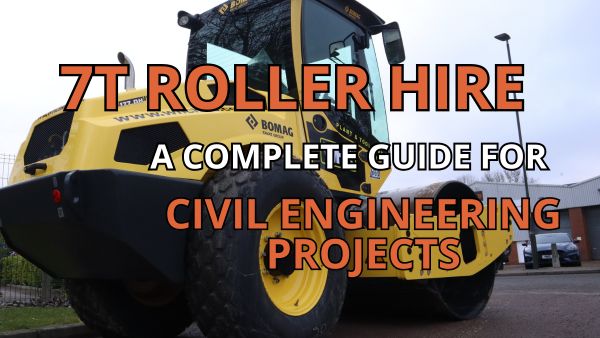
7T Roller Hire: A Complete Guide To Hire For Civil Engineering Projects
Correct compaction is one of the most integral stages of any civil engineering or construction project. Done poorly, surfaces can fail and foundations can weaken, leading to costly remedial work and compromised infrastructure longevity.
The challenge is finding a roller that provides sufficient compaction force while still working efficiently in medium to deep layers. The goal is simple: achieve the required density in as few passes as possible. Fewer passes mean less time stabilising the material and greater productivity across the job site.
For many medium-scale infrastructure and groundworks projects, businesses choose a 7T roller, which provides an ideal balance between compaction power, manoeuvrability and job-site efficiency. Whether your organisation is installing a new road, preparing a new build site, or compacting a large sub-base for steel-framed buildings, a 7T roller is a highly versatile option.
In this guide, we’ll explain how civil engineering professionals use these rollers, outline key specifications, explore hire costs, and share best practices for effective compaction. By the end, you should have a clear understanding of whether 7T roller hire is the right solution for your project.
What Is A 7T Roller

A 7T roller is a type of medium compaction machine that typically weighs around seven tonnes. It is used to increase the load-bearing capacity of materials such as soil, aggregates, and other construction materials.
Rollers like this work by applying a large amount of static weight and vibratory force to compress material and remove small air pockets between the particles. This process strengthens the surface and creates a stable base layer on which further construction can be built.
Compared to smaller rollers commonly used for landscaping or light groundworks, a 7T roller delivers significantly greater compaction force while still remaining compact enough to operate on many restricted construction sites. In short, it allows contractors to bring powerful compaction capability to both small and medium-sized sites.
For this reason, 7T roller hire is a popular option for contractors who do not require this type of machinery on a regular basis, or who want to avoid the additional costs and responsibilities that come with owning and maintaining heavy equipment.
When Civil Engineering Projects Require A 7T Roller?
Most professional civil engineering teams use 7T rollers across a wide range of applications due to the machine’s versatility, power and compaction force. Below are some common situations where this type of machinery is used on real construction sites.
Road Construction and Highways
During road-building projects, 7T rollers are commonly used to optimise the compaction of sub-base materials. Their compaction force and drum width make them ideal for delivering consistent compaction while still offering precise control when working along road edges or smaller carriageways.
Sub-Base Compaction
Before any new structure is built, the ground must be properly prepared. This may involve importing significant volumes of material to achieve the required levels and create a stable base.
A 7T roller can be used on both granular and cohesive materials (using a padfoot drum) to compact sub-base layers for:
- Construction platforms
- Industrial buildings
- Driveways and car parks
- Road foundations
Utility Trench Reinstatement
After underground utilities such as water, gas or electrical lines are installed, trenches must be reinstated correctly to restore the ground’s load-bearing capacity.
While 7T rollers are not typically used for compacting the trench itself, they play an important role in compacting the final surface layers and surrounding ground. For trench compaction, we highly recommend taking a closer look at a Remote Trench Roller.
Car Parks and Industrial Yards
Large paved or aggregate surfaces such as car parks and industrial yards require consistent compaction to prevent cracking, settlement or structural failure.
Contractors often choose 7T roller hire when preparing surfaces for commercial car parks, distribution yards, or industrial facilities where reliable compaction across larger surface areas is essential.
Types Of 7T Rollers Available To Hire
There are two common types of 7T roller design you can expect to hire. Each is suited to specific materials and helps contractors achieve effective and safe compaction on site.
Smooth Drum Rollers
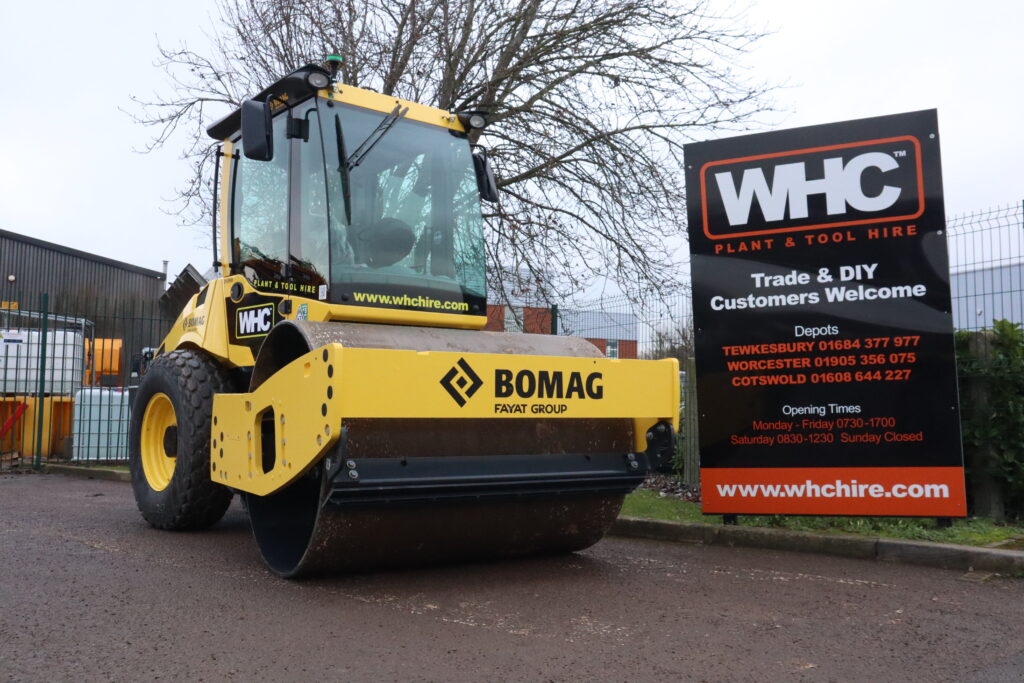
Smooth drum 7T rollers are ideal for compacting granular materials such as crushed stone, gravel, and sand. Their high static weight combined with vibration enables smooth, even compaction across a wide range of civil engineering and construction projects.
These machines can typically be used on layers up to 300–400mm, making them suitable for deeper compaction where required.
Padfoot Rollers

Padfoot 7T rollers operate in a similar way to smooth drum designs, but feature a drum with protruding lugs that are specifically designed for kneading cohesive materials.
This makes them ideal for working with materials such as clay and silt, where greater penetration and compaction at depth are required.
If you are unsure which drum type is best suited to your project, you can read our guide on padfoot vs smooth drum rollers to understand the key differences and applications.
Key Specification Of A 7T Roller
Although specifications vary between manufacturers, most 7T rollers share several common features. These typically include:
- Operating weight: Around 7 tonnes, including fuel and operator
- Drum width: Approximately 1500–1820mm
- Engine: Stage V diesel, typically between 55–75hp
- Vibrational frequency: Adjustable to suit different compaction requirements
- Compaction depth: Typically between 175–400mm, depending on material type and drum configuration
These specifications make the 7T roller an ideal machine to hire for medium to large civil engineering projects, offering strong compaction performance without the size and weight of larger highway rollers.
It is essential to always refer to the machine’s compaction guidelines to ensure the required surface strength is achieved. WHC Hire Services provides compaction guidance with each roller available for hire, helping operators achieve consistent and reliable results on site.
Benefits Of Hiring A 7T Roller For Civil Engineering Projects
Many civil engineering organisations choose to leverage the advantages of hiring large compaction equipment. These include:
Cost Efficiency
Purchasing large civil engineering equipment, including rollers, requires significant upfront investment.
7T roller hire allows businesses to quickly access high-quality machinery without the long-term financial commitment of ownership.
Access to Modern Equipment
Reputable plant hire companies regularly update their fleets, ensuring contractors benefit from improved machine efficiency, compliance, safety features, and fuel performance.
Hiring removes the need to continually invest in upgrading your own equipment.
Reduced Maintenance
All maintenance, servicing, and repairs are typically handled by the hire provider. This allows civil engineering teams to focus entirely on project delivery, without the risk of unexpected downtime impacting timelines.
Scalability
Civil engineering projects often require different types and sizes of rollers at various stages. Hiring equipment gives businesses the flexibility to scale operations up or down as needed.
With flexible hire terms, contractors can adapt to changing project requirements without being tied into long-term commitments.
How To Choose The Right 7T Roller For Your Project
Selecting the right roller for your civil engineering project requires careful consideration. Getting this wrong can significantly impact site efficiency and reduce overall productivity.
Before ordering it’s important to assess the following:
Soil Type
Different soil types require different compaction methods. Cohesive soils such as clay typically require a padfoot drum, whereas granular materials like crushed stone and aggregates respond better to smooth drum designs.
Compaction Depth
Understanding the depth you need to compact is essential when selecting the correct machine.
7T rollers can typically compact in layers between 175–400mm, although this depends on the material type and drum configuration.
Site Access
While 7T rollers are relatively manoeuvrable for their size, it’s essential to ensure the machine can safely access and operate within your site.
Restricted access points, tight working areas, or confined spaces can all influence whether this size of roller is suitable. Choosing equipment that is too large can lead to delays and additional costs.
Environmental Conditions
Moisture levels, temperature, and ground conditions all play a role in compaction performance.
Taking environmental factors into account when planning your roller hire can help ensure consistent results and avoid issues during the compaction process.
Choosing the right roller ensures efficient compaction while reducing the risk of structural and stability issues later in the project.
7T Roller Hire Costs: What Affects Pricing
There are several factors that influence the cost of 7T roller hire across the industry. As a general guide, you can expect to pay between £450–£600 +VAT per week for a machine of this size.
However, a number of variables can cause this cost to increase or decrease. Bear these in mind if your project is cost sensitive:
Factors That Increase the Cost
The following can lead to higher hire costs:
Hire Duration
While longer hire periods increase the overall cost, short-term hires can sometimes carry higher daily rates.
Delivery Distance
The further your site is from the supplier, the higher the transport costs are likely to be.
Fuel Charges
Returning equipment without refuelling will usually result in additional fuel charges.
Padfoot Drum
7T rollers fitted with padfoot drums may come at a slightly higher hire rate due to their specialist application.
Cleaning Charges
Returning equipment in an excessively dirty condition may result in additional cleaning fees.
Last-Minute Bookings
Hiring equipment at short notice can limit availability and lead to higher costs.
Damage Charges
Any damage to hired equipment will be chargeable and added to the final bill.
Factors That Can Reduce the Cost
The following can help lower your overall hire costs:
Long-Term Hire
Although the total cost is higher, long-term hire often provides more favourable daily or weekly rates for larger projects.
Hiring Locally
Working with a local supplier can significantly reduce delivery and collection costs.
Returning Equipment in Good Condition
Returning machinery clean, undamaged, and fully refuelled helps avoid additional charges.
Working with a Reputable Supplier
A reliable hire company will offer transparent pricing and help ensure you receive value for money.
Selecting the Right Machinery First Time
Choosing the correct roller from the outset avoids unnecessary delays, additional transport costs, and re-hire charges.
Planning Ahead
Booking your roller hire in advance helps secure better rates and ensures equipment availability when you need it.
For a personalised quote for 7T Roller hire for your project, speak to the team at WHC Hire Services.
How To Hire A 7T Roller
Hiring heavy compaction equipment should be straightforward and seamless. Especially when you’re relying on a supplier to deliver on time. This is where working with a reliable plant hire provider becomes essential.
Most reputable companies offering 7T roller hire will provide support across the following areas:
Equipment Selection
A good supplier will provide the information and guidance you need to choose the right roller for your specific compaction requirements, ensuring you get the best results on site.
Transport and Delivery
Reputable plant hire providers handle all transport and delivery logistics. Simply provide the time and location, and your equipment will be delivered when and where you need it.
Safety Guidance
Leading suppliers can walk operators through the machine, helping them familiarise themselves with controls and settings. This ensures the equipment is used safely and efficiently from the outset.
Flexible Hire Periods
Flexible hire terms allow civil engineering businesses to better manage costs, avoiding situations where machinery is sitting idle and adding unnecessary expense.
Breakdown Support
Leading roller hire providers offer mobile breakdown support in the event of an issue on site. This reduces downtime and provides peace of mind for time-sensitive projects.
Before hiring equipment from a new provider, businesses may need to set up a trade account. This can be highly beneficial for operations working to tight project timelines.
You can learn more about how to open an account with WHC Hire Services to access 7T roller hire quickly and efficiently.
Frequently Asked Questions About 7T Roller Hire
How deep can a 7T roller compact?
7T rollers can typically compact in layers between 175–400mm, depending on the machine manufacturer, drum type, vibration settings, and material being compacted.
What materials can a 7T roller compact?
7T rollers are suitable for compacting a range of materials, including soil, gravel, and crushed stone.
When fitted with a padfoot drum, they are also effective on cohesive materials such as clay. However, not all 7T rollers are suitable for asphalt surfacing, so it’s important to check the machine specification before hiring.
Should I use a smooth drum or padfoot roller?
The choice of drum depends on the material being compacted.
Padfoot rollers are best suited for cohesive materials such as clay, where deep kneading compaction is required. Smooth drum rollers are ideal for granular materials such as crushed stone, aggregates, and sand.
Conclusion
For many civil engineering and construction projects, 7T roller hire plays a crucial role. These machines offer a strong combination of power, efficiency, and manoeuvrability, making them ideal for medium to large compaction tasks. They are widely used across road construction, groundworks, and infrastructure developments.
By selecting the right drum design and working with a reputable supplier, achieving long-lasting and reliable compaction becomes far more straightforward.
If you are planning an upcoming project and require reliable, modern compaction equipment, explore the roller hire options available at WHC Hire Services to find the right solution for your needs.