
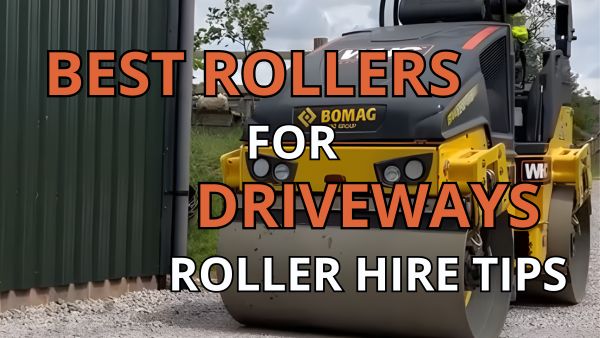
Best Roller For Driveways: Roller Hire Tips
Getting compaction right on your client’s driveway is one of those jobs that separates the cowboys from the professionals. Choosing — or hiring — the right roller plays a huge role in the final result and determines whether your work will stand the test of time, or end up as a call-back with remedial work eating into your profits.
The truth is, the right compaction equipment makes all the difference.
In this guide, we’re squeezing over 25 years of hands-on experience into straight-up, practical advice on which rollers work best for driveways. We’ll cover why roller selection matters, which machines suit different applications, and how to avoid the common mistakes that cost contractors time, money, and reputation.
Why Choosing The Right Roller Matters For Driveways
Driveway construction isn’t just about how it looks on the surface. Long-lasting quality starts from the ground up. If the sub-base isn’t compacted correctly, problems are almost guaranteed down the line, including:
- Uneven settling
- Cracking or rutting
- Water pooling and drainage issues
- Premature surface failure
From a commercial standpoint, poor compaction leads to rework, delays, and unhappy clients. Using the correct roller and compaction method ensures consistent density across the entire surface, delivering a finished driveway that performs as expected.
It’s also important to understand that not every roller is suitable for driveway construction. The right machine depends on several factors, including the material you’re compacting, the size and timeframe of the project, and the level of finish required.
Common Rollers Used For Driveway Construction
Not all rollers are suited to driveway work. However, the following roller types are the most commonly used on modern driveway projects.
Smooth Drum Rollers
Smooth drum rollers are ideal for fine aggregates and asphalt finishes. They apply even pressure across the surface and are most commonly used for finishing passes on driveways, where a clean, uniform result is required.
Vibratory Rollers
Vibratory rollers offer adjustable vibration settings, allowing for much deeper and more effective compaction. By combining machine weight with vibration, they are highly effective on gravel, crushed rock (such as Type 1 MOT), and other sub-base materials. For most driveway construction projects, vibratory rollers are the preferred choice for base layer preparation.
Pedestrian (Walk-Behind) Rollers
For restricted access jobs, pedestrian rollers are ideal. These machines are designed to work in tight areas, along edges, and on smaller residential driveways where ride-on rollers aren’t practical. Most pedestrian rollers can be operated in both static (deadweight) and vibratory modes, giving flexibility across different materials.
Tandem Rollers
Tandem rollers are best suited to medium and large driveways. Their ride-on design and dual smooth drums allow operators to compact larger areas efficiently while maintaining consistent pressure across the surface. If you’re unsure whether a tandem roller is the right choice for your site, we cover this in detail in our complete guide to choosing the right tandem or self-propelled roller.
Static vs Vibratory Roller: Which Is Best For Driveways
Most modern rollers you can hire are capable of operating in static (deadweight) or vibratory mode. In the past, manufacturers produced these as separate machines, so it’s not uncommon to still come across older static-only or vibratory-only models in circulation.
Because of this, it’s important to understand the difference between static and vibratory compaction. Using the wrong setting — particularly on finishing layers — is a rookie mistake that can compromise the final result.
Below is a breakdown of how each roller type is typically used on driveway projects.
Static Rollers
Static rollers rely purely on the weight of the machine to achieve compaction. They are most commonly used on asphalt and finishing work, where a smooth, clean, and uniform surface is required. Static compaction reduces the risk of overworking the material and helps achieve a professional finish on the top layer.
Vibratory Rollers
Vibratory rollers combine machine weight with controlled vibration to force air out from between particles. This results in significantly deeper and more effective compaction. They are typically favoured for stone, gravel, MOT Type 1, and other granular materials, particularly during sub-base and base layer preparation.
Many roller hire suppliers now offer combination rollers, allowing operators to switch between static and vibratory modes. This flexibility makes them ideal for driveway construction, as the same machine can be used across multiple stages of the job.
For loose materials such as MOT, gravel, and other granular soils, vibration dramatically improves surface density and speeds up the compaction process. If you’re working with aggregate, it’s well worth reviewing the best roller for compacting gravel before booking your roller hire.
Roller Sizes & When To Hire Each
When it comes to compacting driveways, roller size matters. Go too big and you risk damaging the finished surface or struggling to access tight areas. Go too small and you’ll waste time — often paying staff to stand around while compaction drags on.
Below is a general overview of roller sizes and when each is hired for driveway work.
Small Rollers
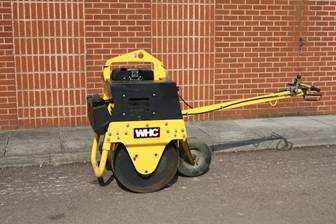
Small rollers are ideal for tight access areas, edging, pathways, and smaller hardstanding jobs. These are commonly pedestrian or walk-behind rollers and are well suited to residential work where access is limited.
Example: Pedestrian roller
Medium Rollers
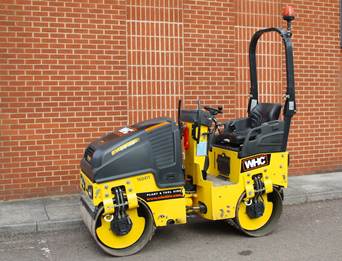
Medium-sized rollers are suitable for most residential driveways and longer pathways. They offer a good balance between compaction power and manoeuvrability, making them one of the most commonly hired machines for driveway projects.
Example: 80 roller
Large Rollers
Large rollers are best suited to long driveways requiring deeper compaction, as well as commercial and industrial sites where higher load-bearing capacity is required. These machines deliver consistent results over large areas but require adequate access and space to operate safely.
Example: 7T roller
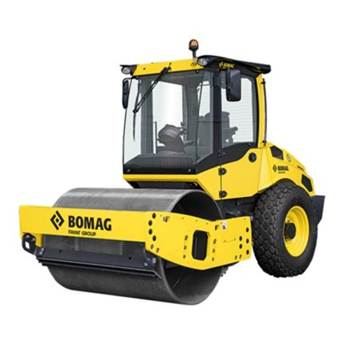
As a rule, the roller size should be matched to the width and length of the driveway. However, it’s just as important to factor in the type of material being compacted and the number of layers involved. On larger or more complex driveway builds, it’s not uncommon to use multiple rollers at different stages to meet specific construction specifications.
Materials & Roller Compatibility
When constructing a new driveway, it’s essential to match the equipment to the materials being compacted. Every roller delivers different levels of compaction depending on its weight, vibration frequency, drum type, and operating mode. The exact performance data is usually found in the operator’s manual, but understanding the basics goes a long way on site.
In general, different materials require different compaction approaches:
Gravel & Crushed Rock
Materials such as Type 1 MOT or limestone hardcore require deep, consistent compaction. This is best achieved using a vibratory roller. Vibratory rollers are the industry standard for sub-base and base layer preparation on driveways.
Asphalt
For asphalt capping layers, the objective is a clean, uniform, and smooth finish. Smooth drum rollers or combination (combi) rollers are typically used to “iron out” the surface and achieve a professional final appearance without damaging the top layer.
Soil Layers
Soil compaction varies significantly depending on soil type and moisture content. Cohesive soils, such as clay, often benefit from padfoot rollers, which knead the material for deeper compaction. Sandy or granular soils, on the other hand, respond better to tandem vibratory rollers that deliver consistent density across the surface.
Before hiring any roller, it’s critical to know exactly what material you’re compacting and at which stage of the build. Using the wrong roller for the application can lead to under- or over-compaction, surface cracking, and poor load-bearing performance.
Key Roller Hire Tips Before You Book
Before jumping in and organising roller hire, it’s vital to plan properly. Why? Because good planning helps you avoid unexpected issues while you’re paying for rental time — and nothing eats into margins faster than hired equipment sitting idle on site.
Use the checklist below to plan your roller hire properly and keep your project running smoothly.
Check Site Access
Most driveways are located at the front of a property, but that’s not always the case. Before hiring, measure gate widths, slopes, turning space, and any access restrictions you’ll be working with. Understanding site access early helps you select the correct roller size and avoids last-minute equipment changes.
Estimate Hire Duration
Once you know your site limitations, you can more accurately estimate how long compaction will take. Refer to the roller’s compaction data to determine the number of passes required and the depth of layers you’ll need to work in. From there, you can confidently calculate how long the roller will be required, helping to control hire costs.
Delivery & Logistics
Larger rollers aren’t always easy to transport. It’s important to confirm whether delivery and collection are required and whether there’s sufficient space on site for safe unloading. If access is restricted, you may need to plan delivery arrangements in advance with your hire supplier to avoid delays.
By considering these factors before booking, you’ll get the most value from your roller hire and keep the job moving without unnecessary downtime.
How to Estimate Roller Hire Costs
Roller hire costs can vary significantly. Unfortunately, there’s no one-size-fits-all price. Rates fluctuate based on several key factors, all of which should be considered before booking.
Roller Size, Weight & Manufacturer
As a general rule, the bigger and heavier the roller, the more it will cost to hire. However, pricing is also influenced by the age of the machine and the manufacturer. Newer models and premium brands often come with higher hire rates but may offer better performance and efficiency on site.
Hire Period
The longer you hire a roller, the higher the overall cost — but that doesn’t always mean worse value. Weekly and long-term hire rates are typically far more cost-effective than daily charges. Wherever possible, plan ahead and take advantage of extended hire rates to reduce your per-day cost.
Delivery & Collection
Delivery is not always included in the initial hire price. Always confirm delivery and collection charges with your supplier as part of your quote. You’ll usually need to provide a delivery postcode and confirm site access for unloading.
Fuel Charges
Fuel is another cost that can catch contractors out. Most hire agreements require rollers to be returned with a full tank of fuel. Failure to do so can result in additional charges added to your final hire invoice.
For tradesmen pricing jobs, understanding your roller hire costs upfront is essential to protecting margins. Speak directly with your roller hire supplier, confirm rates in advance, and consider opening an account before agreeing to take on the work.
Common Roller Hire For Driveways Mistakes To Avoid
Even the most experienced crews can run into issues when hiring rollers for driveway construction. Below are some common mistakes worth avoiding.
Hiring the Wrong Roller
Choosing the wrong machine is one of the biggest issues on driveway projects. In some cases, multiple rollers may be required at different stages of the build. Taking shortcuts with equipment selection often leads to poor compaction and costly remedial work later.
Compacting Layers That Are Too Thick
Working in layers that are too thick can result in instability and poor load-bearing performance. Always follow the compaction guidelines for the roller being used and compact materials in the recommended layer depths.
Skipping Passes
Rushing the job and skipping compaction passes is a common mistake. Inconsistent passes lead to uneven density, which often shows up as surface defects once the driveway is in use.
Ignoring Moisture Conditions
Moisture content plays a major role in effective compaction. Compacting soil or gravel when it’s too wet can cause sub-base movement, while material that’s too dry can crumble under pressure. Always compact when conditions are right for the material being used.
Smarter Roller Hire With WHC Hire Services
For professional landscapers and site managers, driveway work is all about preparation and execution. Hiring the right roller plays a major part in achieving a durable, high-quality finish that performs long after the job is signed off.
If you’re looking to maximise efficiency while hiring equipment that meets the same high standards you deliver on site, speak to the team at WHC Hire Services.
Our roller hire service makes it easy for businesses to select the right machine for the job, backed by a modern, well-maintained Bomag roller fleet. Whether you’re working on residential driveways or larger commercial projects, we’ll help you hire the right roller and keep your job moving without delays.