Complete Guide To Budgeting For Civil Engineering Roller Hire Equipment
When the success of an entire civil engineering project relies on strategic and accurate budgeting, there is no room for error when selecting the correct compaction equipment. With varying soil types, complex site conditions, and differing project requirements, compaction decisions can be the difference between a project finishing in the black or slipping into the red.
In this guide, we break down how to budget effectively for civil engineering roller hire equipment, including the key factors that drive costs up or down — helping you identify meaningful savings without compromising performance or compliance.
What Is Compaction Hire Equipment & Why It Matters
Compaction hire equipment refers to machinery acquired temporarily to compact materials such as soil, gravel, crushed stone, and asphalt. Through the application of static weight, vibration, or a combination of both, this equipment removes air voids within the material, increasing density and improving load-bearing capacity.
Effective compaction is critical to the integrity of any civil engineering project. Poor soil structure and inadequate stabilisation often lead to settlement and subsidence. Resulting in costly and financially damaging remedial works later in the project lifecycle.
Cutting corners on the correct compaction hire equipment — or underestimating the budget required at this stage — can quickly create problems that compound as the build progresses, impacting both programme and profitability.
Understanding The Types Of Compaction Hire Equipment
Understanding the different types of compaction hire machinery available — and their specific applications — is key to setting your budget accurately and ensuring efficient project delivery.
Rollers are the workhorses of civil engineering compaction, capable of handling large-scale soil and asphalt compaction tasks. They come in several varieties:
Tandem Rollers
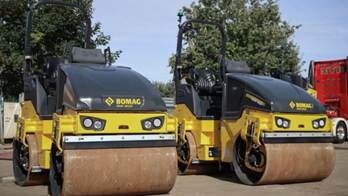
Tandem rollers are smooth double-drum, ride-on machines primarily used for laying asphalt and compacting granular materials. Their even pressure makes them ideal for creating smooth, uniform surfaces.
Self-Propelled Rollers

Easily identifiable by their large front drum and tractor-style rear wheels, self-propelled rollers are designed for granular and sub-base materials where intense compaction is required.
Padfoot Rollers

Padfoot rollers, commonly found in self-propelled configurations, are used for cohesive soils such as clay and silt. Their distinct “kneading” action effectively compacts these challenging materials.
Remote Trench Rollers
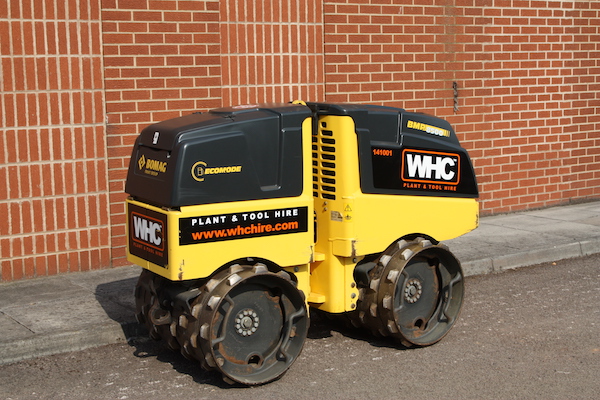
Remote trench rollers are specialised machines designed to operate safely within trenches, with operators controlling the equipment from a distance. Despite their smaller size, they deliver significant compaction power in confined spaces.
Each roller type varies considerably in both rental cost and compaction output. Choosing the right roller for your project not only affects efficiency but also directly impacts your budget. If you are unsure which roller is best for your civil engineering project, see our full guide: The Complete Guide To Choosing The Right Tandem Or Self-Propelled Roller.
Factors That Influence Compaction Equipment Costs
Before assigning numbers to your roller hire budget, it’s essential to understand the main factors that drive costs up or down. These considerations ensure you plan accurately and avoid unexpected financial pressures later in the project.
Equipment Size & Type
The larger the roller you require, the higher the hire cost. Larger self-propelled and tandem rollers typically attract premium rates compared to smaller designs. However, they may offer greater compaction efficiency per hour.
Project Size
The scale and specifications of your project directly affect the number of rollers required and the length of hire. Many civil engineering projects demand multiple rollers at different stages to meet compaction requirements.
Soil Type & Layer Thickness
Different soils and layer depths require specific rollers to meet regulatory compaction standards. For example, cohesive soils like clay may require padfoot rollers, while granular sub-bases may be suited to smooth drum rollers. Choosing the right machine for the soil type helps avoid rework and additional costs. For smaller-scale projects such as driveways, our guide on the Best Roller For Driveways provides practical advice on equipment selection and cost.
Duration of Hire
Longer hire periods naturally increase costs, but many reputable hire companies offer competitive long-term rates. For large projects, factoring in multi-week or multi-month hire rates can provide significant savings.
Fuel & Operating Costs
Running compaction equipment incurs fuel costs, and machine efficiency can have a major impact. Investing in the right size and type of roller can maximise productivity, reduce fuel consumption, and ultimately lower overall project costs.
Additional Roller Hire Supplier Costs To Consider
Having already highlighted the main factors that drive roller hire costs, it’s equally important to account for additional expenses that can impact your budget. Many of these can be managed through careful planning, but awareness is key to budgeting smarter and avoiding surprises later in the project.
Equipment Rates
Roller hire rates vary depending on the size, quality, and level of support provided by your supplier. Extremely low rates can sometimes indicate corners are being cut in service, maintenance, or reliability. Always ensure you understand exactly what is included in the hire package — downtime or poor service can quickly erode any apparent savings.
Transport Costs
Transporting machinery to and from your site is almost always an additional cost unless explicitly included. For civil engineering projects, especially larger sites, these fees can be significant and should always be factored into your roller hire budget.
Cleaning Charges
Some suppliers may impose cleaning charges if equipment is returned in poor condition. For example, padfoot rollers working on clay can take hours to clean. If you do not intend to clean machinery on-site, allocate budget for these potential fees to avoid unexpected costs.
Extra Fuel
Even after budgeting for fuel to complete compaction tasks, you may incur additional charges if rollers are returned without a full tank. Clarifying fuel responsibilities with your supplier in advance helps avoid overspending across the project lifecycle.
Supplier Relationships
Building a trusted relationship with a roller hire supplier can pay dividends. Reliable suppliers provide guidance on the right machines, help avoid downtime, and can offer competitive rates or bundled services, making your projects more efficient and profitable.
How To Build A Budget For Your Compaction Project?
Building a robust budget for your compaction project ensures your team stays on track from the moment the first spade hits the ground. Failing to plan carefully can have significant financial and reputational consequences for your organisation in the long term. Here’s how to get started:
Assess Scope & Timeline
Begin with clear project definitions, including dimensions, square metreage, soil type, compaction depth, working hours, site restrictions, and deadlines. This allows you to estimate the optimal machine size and the duration required, whether using a single roller or multiple machines. Shorter timescales often demand larger or additional machines, which should be reflected in the budget.
Soil Conditions
Understanding soil conditions helps avoid under- or over-specifying equipment. Work within the machinery’s maximum compaction layer and ensure you use the correct roller type for the material. Padfoot rollers are ideal for cohesive soils such as clay, while sandy or gravel soils may use smooth drum rollers. Soil type directly impacts both machine choice and budget.
Logistics & Additional Costs
Transporting heavy machinery requires professional logistics, which adds to site mobilisation costs. Add a contingency allowance for delays, permits, or site-specific restrictions to ensure realistic budgeting.
Fuel & Efficiency
Account for fuel consumption based on machine type, soil conditions, and compaction depth. In some cases, hiring a larger, more efficient machine can reduce total operating hours and fuel costs, providing savings overall.
Project Phasing & Weather Contingencies
If your project occurs in multiple stages or is subject to seasonal conditions, factor in additional hire or machine swaps as needed. Wet, frozen, or unstable ground can impact compaction efficiency, potentially requiring extra passes or alternative machinery.
Budgeting Roller Hire With WHC Hire Services
For professional civil engineering organisations seeking access to world-class roller hire equipment, backed by an award-winning team, WHC Hire Services is here to help.
With a wide range of machinery available across multiple depots in the UK, we can support civil engineering projects of all sizes. Browse our roller hire stock online, or speak directly with your local depot to build a tailored quotation that aligns with your project requirements and budget.
Partnering with WHC Hire Services ensures you have the right machines, expert guidance, and cost certainty — helping your project stay in the black, not the red.