Do You Need Welfare Units For Outdoor Events?
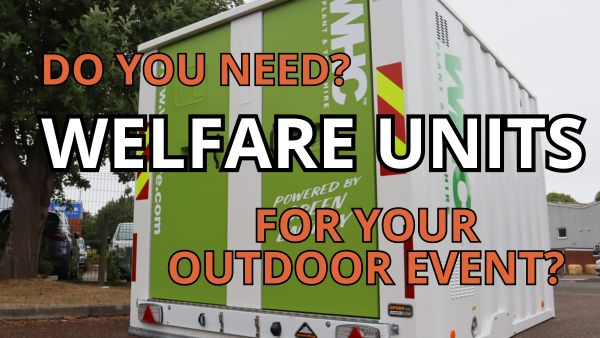
If you are planning an outdoor event, there is far more to consider than just staging and entertainment. Behind the scenes, there are practical essentials that can have a major impact on how smoothly your event runs. One of the most important of these is access to on-site welfare units for organisers, staff, and contractors.
Whether you’re hosting a small community event or a large-scale festival, providing the right welfare facilities isn’t just about convenience. It can also be a key part of meeting health and safety responsibilities and ensuring your team can work comfortably and efficiently throughout the day.
In this article, we’ll break down when these pieces of event equipment are necessary, what they include, and how to decide if hiring one is right for your event.
What Are Welfare Units For Outdoor Events?
Welfare units are self-contained mobile facilities designed to provide essential amenities in locations where permanent infrastructure isn’t available. Originally adopted within the construction industry, these portable units are becoming increasingly popular among operations teams in the events sector.
These units typically include:
- Toilets
- Handwashing facilities
- Seating and rest areas
- Heating and lighting
- Canteen or kitchen space
- An onboard power source
Most mobile welfare units are fitted with a tow bar and retractable wheels, which can be stored underneath the unit once it is in position. This allows event organisers to move and transport them easily without the need for additional machinery.
Units can usually be towed using a suitable vehicle or other event equipment, making them a flexible and practical solution for temporary event setups.
Are Welfare Units Required For Outdoor Events In The UK?
When it comes to holding events, the devil is very much in the detail. For smaller public events where setup and breakdown happen on the same day, full welfare units are not always required.
However, under health and safety regulations, organisers have a duty of care to ensure that adequate facilities are provided for event staff, contractors, and volunteers. This usually includes access to toilets and washing facilities, drinking water, and a designated rest area.
For events that involve build crews, security teams, or multi-day setups, welfare facilities are far more likely to be required in order to remain compliant and support safe working conditions on site.
When Do You Need A Welfare Unit At An Event
It is important to understand that, from a health and safety perspective, there should be a suitable level of welfare provision at all event sizes. Many local fêtes or single-day events may be able to make use of existing facilities available on site. Others may only require the provision of toilets and basic wash facilities.
However, when it comes to major events, the requirement for site welfare can change significantly. You are likely to need a welfare unit if your event involves:
- A long setup and breakdown period
- Large operations teams working on site
- A remote or rural location
- Multi-day events or festivals
- An event space with limited access to permanent facilities
The use of welfare units also allows event delivery teams to operate more efficiently by providing a dedicated base on site. This ensures convenient access to facilities without relying on public amenities. Overall, it makes a significant difference to overall productivity, particularly during long working hours or in challenging site conditions.
In many cases, welfare units become less of a “nice to have” and more of a practical requirement for keeping event operations running smoothly and safely from start to finish.
Welfare Units Vs Portable Toilets: The Difference?
It is very common for organisers to confuse the difference between welfare units and portable toilets.
Where portable toilets are used for basic sanitation only, welfare units offer a complete working environment along with essential on-site amenities.
Welfare units are typically used by event organisers and contractor teams during setup, delivery, and breakdown. They are usually specified based on the number of users they need to support, which makes them unsuitable as a sole welfare solution for an entire event audience.
Welfare units typically include:
Rest areas and kitchen space
Ideal for breaks and providing staff with a comfortable place to rest during the working day.
Heating and lighting
Offering a warm, dry environment that can be used in both urban and rural locations.
Portable office space
Many units provide seating and access to power, allowing them to function as a mobile operations base on site.
If you are responsible for staff and volunteer wellbeing, welfare units provide a practical and compliant way to support safe working conditions throughout the duration of an event.
What Facilities Are Included In A Welfare Unit

Welfare units are designed to provide a fully self-contained working environment for event crews and contractors. Based on modern mobile welfare systems, they combine essential welfare, hygiene, and operational facilities within one secure, towable unit. You can typically expect them to include:
Canteen & Rest Area
A dedicated space with seating and tables where staff can take breaks during the working day or throughout an event. These areas are often heated, making them suitable for use all year round, not just during warmer months.
Kitchen Facilities
Most units include basic catering equipment such as a microwave, kettle, and sink with hot water supply. This allows staff to prepare food and drinks on site safely and hygienically.
Toilet & Wash Facilities
All mobile welfare units include integrated toilet and handwashing stations as standard. These are required to meet on-site hygiene regulations and often include a warm water supply and waste storage system.
Heating, Lighting & Ventilation
Welfare units are fitted with internal heating systems and LED lighting, creating a comfortable and safe mobile working environment for event teams. Ventilation and safety monitoring systems, such as carbon monoxide detection in many models, are also commonly included.
Power Supply & Charging Points
Most welfare units are equipped with onboard power systems, including modern USB charging points. This allows teams to run small equipment and keep devices charged on site. Some units also feature solar panels, helping to reduce operational costs over longer events.
Water & Waste Systems
Self-contained fresh water and waste tanks allow the units to operate independently without the need for mains connections. This makes them suitable for a wide range of event sizes and temporary or remote locations.
Transport Features
One of the key benefits of a mobile welfare unit is that it can be moved using a suitable towing vehicle. No cranes or additional lifting equipment are required. The unit can simply be raised onto its wheels and positioned as needed on site, offering a high level of flexibility if repositioning is required.
For a closer look at the facilities that are offered in welfare units, check out “What’s Included in a Welfare Unit Hire for Events”
Benefits Of Welfare Units For Outdoor Events
If you think hiring a welfare unit is just a tick-box exercise, think again. It delivers real operational advantages for event teams, and their growing popularity reflects how important they have become in modern event planning.
Here are some of the key benefits you can expect when hiring a welfare unit for your next outdoor event:
Improved Staff Wellbeing & Morale
Having access to a warm, dry, and comfortable environment can make a significant difference to staff wellbeing, particularly when working long hours or in remote locations.
Better Hygiene
Welfare units offer a higher standard of hygiene compared to portable toilets, as they are typically used by a limited number of staff rather than the general public.
Increased Productivity
Teams with access to proper welfare facilities are more likely to remain focused, comfortable, and organised. This is especially important during complex event setups where efficiency and attention to detail are critical.
Protection from Weather Conditions
Welfare units provide essential protection from the elements. During warmer months, they offer shelter from sun exposure, helping to reduce the risk of dehydration and heat-related issues. In colder conditions, they provide a warm and comfortable space for staff to rest and recover.
Easy Relocation
Mobile welfare units are mounted on towable chassis systems, allowing them to be repositioned easily without the need for lifting machinery. This flexibility means they can be used across different stages of event delivery, from setup through to breakdown.
Professional Event Operations
Using one or multiple welfare units can help create clearly defined operational zones across your event. For example, separate units can be allocated for security teams, event management, or contractors. This helps improve organisation and ensures smoother overall event delivery.
How Many Welfare Units Does Your Event Need?
There are several factors that can influence how many welfare units you require when planning an event. When making this decision, you should consider the following:
Event Size
The larger the event, or the more stakeholders involved, the more welfare units you are likely to need. This helps ensure that different teams have access to their own designated welfare space, which can also double as a mobile office.
Number of Staff & Crew
Most mobile welfare units are designed to support a set number of users. Common hire options include 6-person or 10-person units. If your team exceeds this capacity, you will need to consider hiring additional units. Using a unit beyond its intended capacity can lead to issues with water supply and waste systems.
Duration of the Event
For longer setups and breakdown periods, having sufficient welfare space becomes even more important. Additional units or larger setups can help improve morale and give teams the space they need to rest, regroup, or manage operations throughout the event.
General Guidelines
As a rough guide:
- Small events (single day, under 10 staff): 1–2 units may be sufficient
- Medium events (multiple teams or stakeholders): 2–3 units depending on layout
- Large events or festivals: multiple units across different zones and operational teams
While welfare units are mobile and can be repositioned quickly, it is important to plan their placement carefully. Units should be easily accessible for staff but positioned in a way that does not interfere with the event experience.
If you need help deciding how many welfare units are right for your event, speak to our experienced team who can guide you based on your event size, location, and operational requirements.
Common Types Of Mobile Welfare Units Available
There are several options to choose from when it comes to using mobile welfare units for events. Below are the most common types you are likely to come across when looking to hire these highly versatile units.
Towable Units
Towable welfare units are easy to transport and position on site. Commonly used in the construction industry, these units also work seamlessly as welfare facilities for events of all sizes.
Their mobility allows them to be towed into position and repositioned as needed throughout the event. This makes them a far more flexible option compared to static units, particularly for events with changing layouts or multiple setup phases.
Eco or Solar-Powered Units
For events taking place in rural locations or on environmentally sensitive ground, eco or solar-powered welfare units can offer a lower-impact alternative.
These units support more sustainable event delivery while also helping to reduce fuel usage and running costs over the duration of the hire. This makes them an increasingly popular choice for organisers looking to balance operational needs with environmental considerations.
If you are concerned about the logistics of mobile welfare units, you can find out more about how easy welfare units are to move on site.
Power, Water & Waste Considerations
One of the biggest advantages of using a mobile welfare unit for your event is that it is fully self-contained. This makes it a practical solution for temporary or remote locations where access to mains services is limited.
Most units typically include:
- Onboard water tanks
- Integrated waste storage systems
- Generator or solar-powered energy supply
However, during the planning stage, there are still a few key considerations to keep in mind:
- Refuelling requirements for generator-powered units, particularly for longer events
- Waste servicing, which is often included as part of the hire package but should be scheduled in advance
- Positioning on site, ensuring the unit is accessible during setup, operation, and breakdown
By planning for these factors in advance, you can ensure your welfare units operate efficiently throughout the event without disruption.
How Much Does Mobile Welfare Hire Cost For Events?
One of the key considerations for any event is the cost of incorporating mobile welfare units into your setup.
The cost of hiring a welfare unit can vary depending on several factors:
Unit Size & Specification
Larger units or those with higher specifications will generally cost more per week. While the difference may not always be significant, it can add up over longer hire periods.
Hire Duration
The longer you hire a welfare unit for, the higher the overall cost will be. Some suppliers may offer reduced rates for longer-term hire, particularly for larger events or festivals with extended setup periods.
Delivery
Delivery costs are usually based on distance or within a set radius from the supplier. Choosing a local provider can help reduce transport costs and keep things more efficient.
In most cases, you can expect to pay somewhere in the region of £250–£400 + VAT per week for a mobile welfare unit. What’s included can vary, so it’s always worth checking whether servicing and cleaning are part of the hire.
While welfare units may seem like an additional expense, they often replace the need for multiple separate facilities such as portable toilets, wash stations, rest areas, and mobile office space. Bringing everything together into one unit can make them a more practical and cost-effective solution for event organisers.
Hiring Welfare Units For Events
Choosing to use mobile welfare units for your next event can help streamline your on-site welfare setup from initial build through to final breakdown.
Before hiring, it’s important to consider the size and scale of your event, the number of staff on site, the location and positioning of the unit or units, your budget, and any servicing requirements throughout the hire period.
For added efficiency, you can also streamline your planning process by bundling welfare units with other essential equipment. Sourcing everything through a single event equipment hire provider can help reduce logistics, improve coordination, and keep your setup running smoothly.
For more information, browse our event equipment hire range at WHC Hire Services, or speak to a member of our team to see how we can support your next event.