
What Roller Is Best For Compacting Gravel?
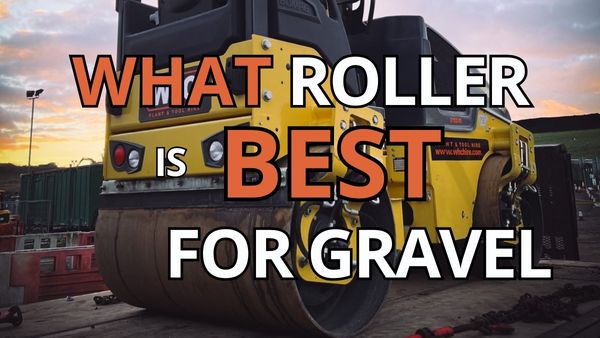
When it comes to compacting any type of material, having the right equipment for the job is essential — and no more so than when compacting gravel. Many tradies, and even DIYers, get caught out when preparing for a driveway, garden path, large car park, or paving area.
Selecting the best roller for compacting gravel allows users to improve the surface’s load-bearing capacity while also helping to prevent future settlement.
If your project involves compacting gravel, understanding which roller works best will help you achieve professional-looking results without the unnecessary cost of rework. That’s where this article comes in. Keep reading to make sure you get it right the first time.
Can You Compact Gravel With A Roller?
Yes, you can indeed compact gravel with a roller. For many construction projects, it is often the most effective and efficient solution.
Rollers apply consistent downward pressure across the surface as they pass over it, compacting the material evenly. This method is particularly important for larger areas such as driveways, roads, and hardstandings, where uniformity and accuracy are key.
However, it’s worth noting that not all gravel types compact in the same way. Well-graded materials such as MOT Type 1, crushed stone, or planings respond very well to rolling. Decorative gravels, on the other hand, tend not to compact effectively due to their rounded structure, which makes it difficult for particles to lock together.
What Is The Best Way To Compact Gravel?
The best roller for compacting gravel depends entirely on the scale of the job and the type of material you are using. As a general rule, the bigger the job, the bigger the roller you’re likely to require. That said, the most common rollers professionals opt for in these situations are:
Pedestrian Rollers
Pedestrian (walk-behind) rollers are ideal for small to medium-sized areas such as pathways and smaller driveways. They are highly portable and easy to manoeuvre in confined spaces, making them a great option for tight access jobs.
Tandem Rollers
Tandem rollers are best suited to larger domestic and commercial applications. This includes driveways, roads, car parks, and large-scale landscaping projects. These roller designs offer an excellent surface finish and uniform compaction, while allowing operators to work far more efficiently when making repeated passes over wider areas. Unlike pedestrian rollers, tandem rollers are typically ride-on machines.
Despite their differences, both machines are widely available through roller hire and best suit compacting granular materials such as sand, gravel, and crushed stone without damaging the surface.
Not sure what size tandem or self-propelled roller you need? Take a look at our guide, which explains the differences in more detail.
How Many Passes Are Required To Compact Gravel?
Unfortunately, there is no short answer when it comes to how many passes are required to compact gravel with a roller. Every project has its own unique specifications, which in turn can limit the type and size of compaction roller you are able to use.
Below is an example comparing two different rollers, showing how machine size and specification can affect the number of passes required to correctly compact gravel:
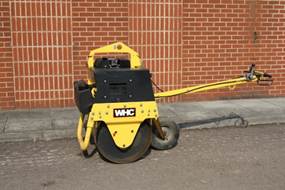
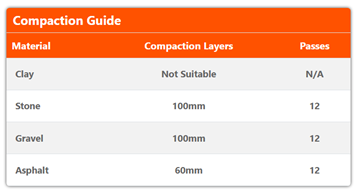
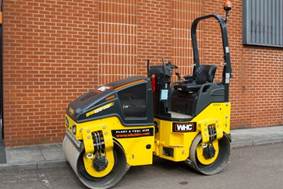
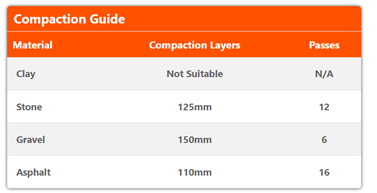
Pedestrian rollers are typically able to compact gravel in 100mm layers and may require up to 12 passes, whereas a tandem 120 roller can achieve deeper compaction layers of around 150mm while only requiring around 6 passes.
While speed is always important, it’s not worth rushing this stage of your project. Incorrect compaction can lead to movement and settlement later on. The best way to identify the correct number of passes for the material you’re working with is to refer to the equipment’s specifications.
Rollers To Avoid Using On Gravel
Not all rollers are suitable for compacting gravel. In fact, using the incorrect roller can lead to material segregation, uneven surfaces, and poor levels of compaction. When it comes to selecting a roller for compacting gravel, the following machines should generally be avoided:
Pneumatic Tyre Rollers
These machines bets suit compacting asphalt rather than loose aggregate. The tyre action and downward pressure can force gravel sideways instead of compacting it evenly.
Padfoot Rollers
While these machines are capable of compacting gravel, they are not as effective as other roller designs. It’s strongly recommended not to use padfoot rollers on top-layer dressings or decorative gravel, as the concentrated downward force can crush the particles and damage the finish.
For most gravel compaction tasks, vibratory smooth drum rollers or tandem rollers are the go-to choice for many contractors. However, if you’re ever unsure, it’s always best to consult a professional before selecting your equipment.
Hiring A Roller For Gravel Compaction
For many construction projects, hiring a roller is a practical and cost-effective way to achieve correct gravel compaction without having to invest in expensive modern equipment. It also offers the flexibility to access the right machine for the job, whether you’re working on a new build site or a small domestic driveway.
Here are some key factors to consider when hiring a roller:
- The size of the area that needs compacting
- Access restrictions, which will determine whether you can size up or down
- The type of material you’re working with (this is essential)
Choosing the right roller from the outset is vital when time, results, and regulations are on the line. If you’re ever unsure which roller is best for your project, it’s always worth speaking to a roller hire specialist who can help you select the most suitable machine.
Roller Hire For Gravel Compaction
As we’ve covered throughout this article, finding the right roller for your gravel compaction task isn’t as simple as picking any old machine. Ensuring your material type, application, and timescale all align with the correct equipment is an art form in its own right.
Need help choosing the right roller hire for your project? Get in touch with WHC Hire Services or visit our website to explore our wide range of rollers available to professional contractors and DIYers across the UK.