What’s Included in Mobile Welfare Unit Hire For Events?
Have you ever turned up to a large outdoor event only to discover that even the basics haven’t been covered by the organisers? You can already imagine the negative reviews pouring in. But an unhappy crowd is only half the problem. Event teams spending long days on site without adequate facilities across extended shifts face exactly the same issue. Getting welfare provision right isn’t just good practice…it is a legal and operational necessity.
For event teams, a mobile welfare unit provides a fully self-contained facility that teams can drop on site and use from the moment it arrives. And the best part for staff is that organisers can allocate these facilities exclusively to them. No queuing for toilets in rowdy crowds, no scrambling to find somewhere to sit, rest, or dry off. A mobile welfare unit gives event operations the confidence to support their team and remain flexible at all times.
This WHC Hire resource breaks down everything you can expect from a mobile welfare unit hire for events, so you can plan with confidence and choose the right setup for your needs.
What Is A Mobile Welfare Unit (Quick Recap)
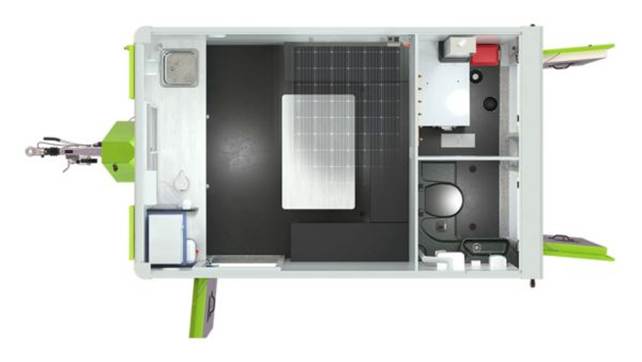
A mobile welfare unit is a self-contained facility that provides essential amenities for people working at events. Originally designed for the construction industry, these units can be quickly relocated and set up without any specialised equipment, and in as little as three minutes.
Unlike basic portable toilets, welfare units service a set number of people over a period of time, typically between six and ten. Their fully equipped spaces cover everything from sanitation and washing to rest areas, catering facilities, and power solutions for on-site equipment.
Towable welfare units are becoming increasingly popular due to the flexibility and cost savings they offer compared to static designs.
Toilet & Sanitation Facilities
One of the most fundamental inclusions in any mobile welfare unit is a clean, functional toilet. Standard units include a single flushing or chemical toilet, alongside a handwashing basin supplying both hot and cold running water, soap dispensers, and hand drying facilities.
When planning facilities for your staff, it is essential to understand your duty of care as an employer and the code of practice that applies to event crews. According to BS 6465-1:2006, the recommended ratio is one toilet to every seven people. If you are running multiple shifts or have a large production team on site, you will likely need to factor additional units into your hire.
Event organisers often overlook event staff in welfare planning and expect them to share public facilities with attendees. At large events, public toilets frequently become overwhelmed, meaning staff could be queuing or walking considerable distances during what should be rest or turnaround time. This directly affects operational efficiency, increases fatigue across long shifts, and creates a health and safety grey area that falls back on the event organiser. Providing dedicated sanitation facilities is a straightforward way to protect your team and keep your operation running smoothly.
Washing Facilities
All mobile welfare units include dedicated washing facilities, often in the form of a hand basin with hot and cold running water. These are particularly well suited to multi-day events and festivals where staff and crew are on site for extended periods, including during set-up and load-out phases.
Hot water is supplied by the unit’s onboard heating system, which is integrated within the unit itself and design dependent. Water is stored in an onboard tank, meaning no mains connection is required. This makes mobile welfare units a practical choice for remote or off-grid event locations where infrastructure is minimal.
It is also worth noting that certain designs harness solar power to heat the unit and its water supply. This makes them a suitable option for environmentally sensitive sites where the use of generators or other power sources may be restricted or undesirable.
Rest Area & Canteen Facilities
Mobile welfare units go well beyond toilet and washing facilities. The canteen and rest area is a key feature, giving your team a proper space to take breaks, eat, and decompress during long operational days.
Standard canteen inclusions across most mobile welfare units cover:
- Bench seating and tables for six or more people
- Worktops and kitchen sink
- Microwave and kettle
- Hot water heating system
For event crews running all-day operations, having a decent canteen and rest space on site is a genuine morale booster. It keeps your team productive across long shifts and provides essential shelter when the weather turns. Which, at outdoor events in the UK, is never far away.
Heating, Lighting & Power
Mobile welfare units function fully regardless of their location or site infrastructure. This also makes them well suited to doubling up as a mobile site office during events, giving your operations team a practical base to work from on site.
Key power and comfort features you can expect include:
- Integral diesel generator or hybrid solar/diesel power system
- LED lighting throughout
- Electric heating for comfortable use in colder conditions
- Mains and USB charging points to support phone and laptop charging
Event organisers looking to reduce their environmental impact can opt for eco or solar mobile welfare units, which incorporate water-saving fixtures and low-emission technology. These designs can reduce carbon output by up to 60% compared to a standard generator-powered unit. If your event has sustainability targets, it is worth discussing these options with your hire supplier early in the planning process.
First Aid Area
Every event should be first aid ready, and under UK health and safety law it is a legal requirement. Mobile welfare units are well suited to supporting this need, though it is important to note that units do not include first aid kits or medical equipment.
What they do provide is a clean, private, and accessible space that you can use as your on-site first aid base.
For larger events, this gives your first aid team a practical and private area to operate from, with access to hot water, shelter, and power. Allocating a welfare space in a remote or off-grid location ensures a better standard of care to those in need.
If you are planning to use a mobile welfare unit as a first aid base, simply confirm this with your hire supplier at the time of booking so the unit can be positioned accordingly on site.
What Type Of Mobile Welfare Units Are Available For Events?
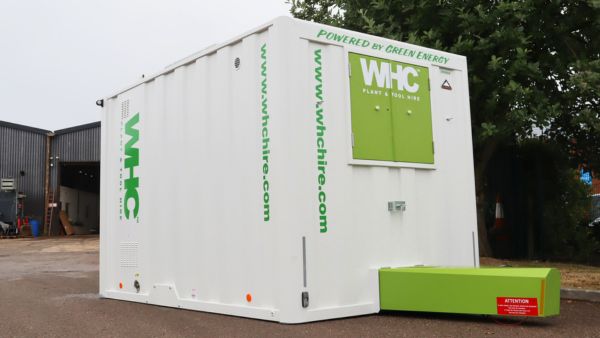
When it comes to selecting the right mobile welfare unit for your event, it is important to remember that not all designs are the same. The three most common types available for hire in the UK are:
Towable Welfare Units
These compact units are easy to reposition on site, making them ideal for events that require flexibility across the full production. They provide core facilities for between six and ten people at a time, and teams can set them up in a matter of minutes without any specialist equipment.
Diesel Powered Welfare Units
The most common design, diesel powered units provide all the key facilities required on a modern event site. They are a reliable all-round option, though they may not be suitable for use in environmentally sensitive areas or locations with low emission restrictions.
Eco Welfare Units
These units combine solar and diesel power with energy efficient lighting and water saving systems. They are the preferred choice for event organisers with environmental commitments or those operating in areas where generator use is restricted or limited.
Choosing the right type depends on your event’s duration, location, crew size, and site access. If you are unsure which option best fits your operation, speak to your hire supplier directly. They can advise on the most suitable unit and help secure your booking ahead of peak season when availability moves quickly.
How Many People Does A Mobile Welfare Unit Cover?
During your planning it is important to ensure you have enough welfare facilities to accommodate the number of staff on site at any one time. This will fluctuate across different phases of the event, from build and set-up through to live operation and load-out. Planning for peak capacity rather than average headcount is where mobile units really come into their own.
Standard mobile welfare units accommodate between six and ten people, though this is entirely dependent on the size of the unit you hire. Each design has a specified capacity and it is important to stick within those guidelines. Exceeding capacity increases the frequency at which units require servicing, which is typically carried out by your hire supplier on a weekly basis.
For larger events with bigger crews, you may need a combination of mobile and static units to cover your full welfare requirement. It is also essential to account for peak usage times, shift overlaps, and any subcontractors or additional personnel who will have access to the facilities, as these can significantly affect the provision you need.
Do You Need A Mobile Welfare Unit For Your Event?
Not every event requires dedicated welfare facilities, but many do. And in truth, the threshold for when they become a legal requirement is lower than most organisers expect. If you are running an outdoor event with staff, crew, or contractors on site for extended periods, welfare provision is likely to be a legal obligation rather than an optional consideration.
A common misconception is that welfare requirements only apply to large scale productions or multi-day festivals. In reality, even a single day event with a modest crew can fall within the scope of UK welfare legislation if staff are on site for a full working day without access to adequate facilities nearby. Public toilets and nearby amenities do not automatically satisfy your duty of care as an employer.
Getting this right early in your planning not only keeps you compliant, it also protects you from operational disruption and reputational risk.
For a full breakdown of when welfare units are required and what triggers that obligation, read our guide to whether you need welfare units for outdoor events.
How Easy Are Welfare Units To Move On Site?
One of the most common concerns when hiring mobile welfare units is how manageable they are to reposition on site without the direct assistance of your supplier. The short answer is that modern towable units are very straightforward to move, provided you have the right vehicle available.
To tow a mobile welfare unit on site you will need a vehicle fitted with a drop pin or ball hitch towbar capable of towing up to 3,500kg. On most outdoor event sites this is rarely an issue, as a suitable 4×4 is usually already part of the production fleet. It is worth confirming this in advance however, particularly for sites with restricted vehicle access or uneven terrain.
For a full breakdown of setup times, ground requirements, and what to consider when planning unit placement, read our guide to how easy welfare units are to move on site.
How To Hire A Welfare Unit For Your Event?
Hiring a mobile welfare unit for your event is a straightforward process, and even more so when you plan ahead. That said, most reputable suppliers can respond quickly should your requirements change closer to the event date.
There are four key steps to getting your welfare unit hire right:
- Confirm your crew size so you can plan your provision correctly and ensure you have enough units to cover peak usage periods
- Assess your site access to ensure delivery can take place and that the unit or units will fit within your operational area
- Decide on your power source based on your site, any emission restrictions, and whether your event has sustainability requirements
- Book early as mobile welfare units are in high demand during event season and last minute availability is not always guaranteed
At WHC Hire Services, we offer a full range of event equipment hire options including both standard and eco mobile welfare units for event teams of all scales. We can help you specify the right provision for your event and arrange delivery, collection, and servicing throughout your hire period. Explore our event equipment hire range to find the right solution for your next event.
Final Thoughts
Mobile welfare units are quickly becoming a staple of event operations across the UK, and it is easy to see why. Far from being a basic toilet facility, a well-specified unit provides everything a modern event team needs including a canteen, rest area, mobile office space, heating, power, and sufficient room to operate safely and in compliance with UK welfare regulations.
The key for event organisers is to select the right size and power type for your specific event, and to book early enough to secure both availability and delivery. Get those decisions right and welfare provision becomes one less thing to manage on the day, leaving you free to focus on delivering a great event.